




Outcomes
Results, grouped by the problem we solved.
Results from hands-on operations work across manufacturing, warehouse, e-commerce, and pharmacy. We’ve grouped them by the problem we were fixing, because that’s probably how you’d describe yours. Names and details are anonymized. The numbers are not.
Getting orders out reliably
Volume goes up. The process doesn’t.
-
2.5x daily order volume
Mail-order pharmacy
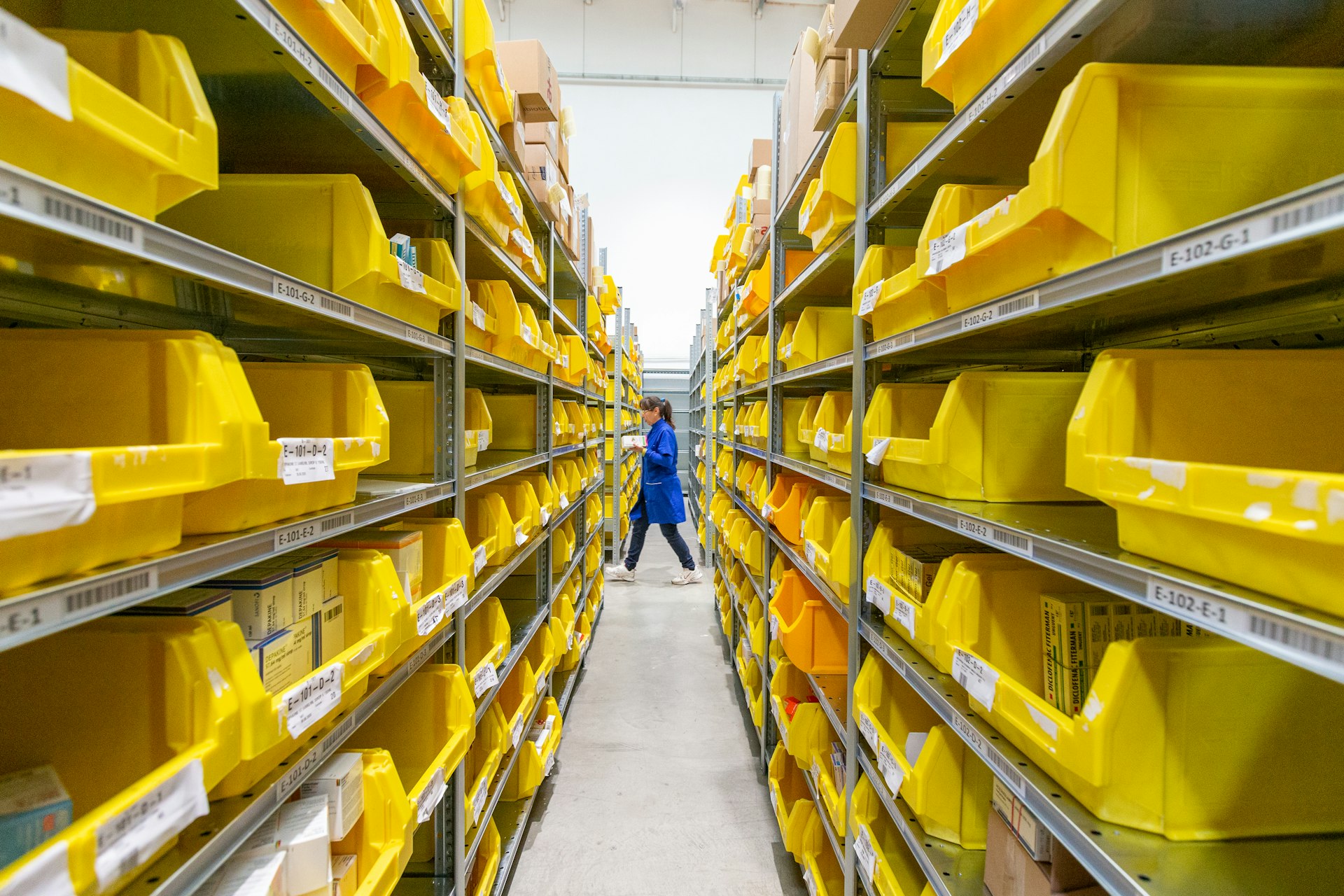
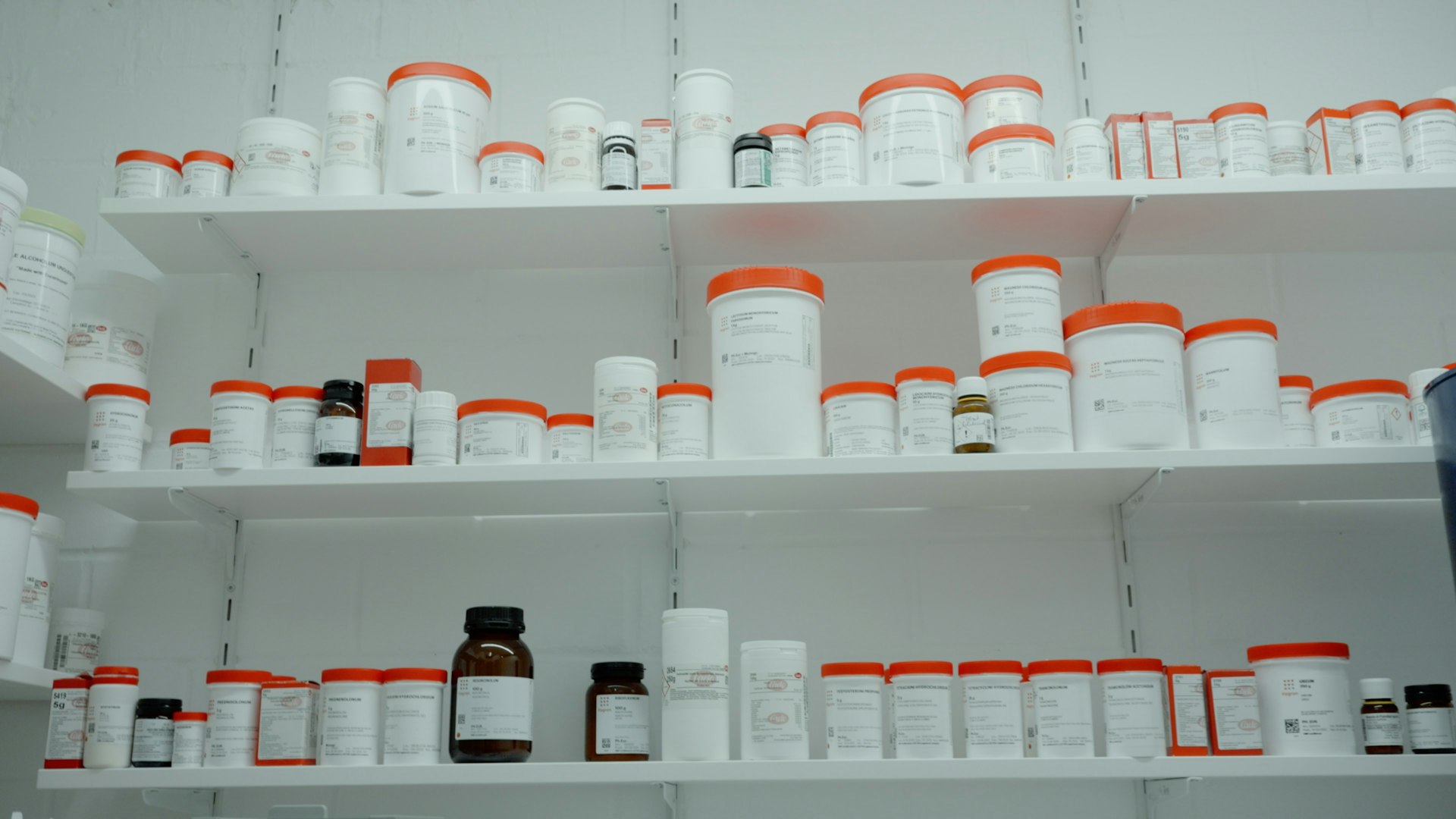
Receiving was ad hoc and every order got handled a little differently. We put in PO discipline, tote allocation, put-to-light, lot and expiry capture, scan shipping, and ship-on-date tracking with root-cause follow-up. Daily order volume grew 2.5x, and the chaos didn’t come with it.
-
Pick errors ~4–5% → ~0.03%
Multi-channel e-commerce warehouse
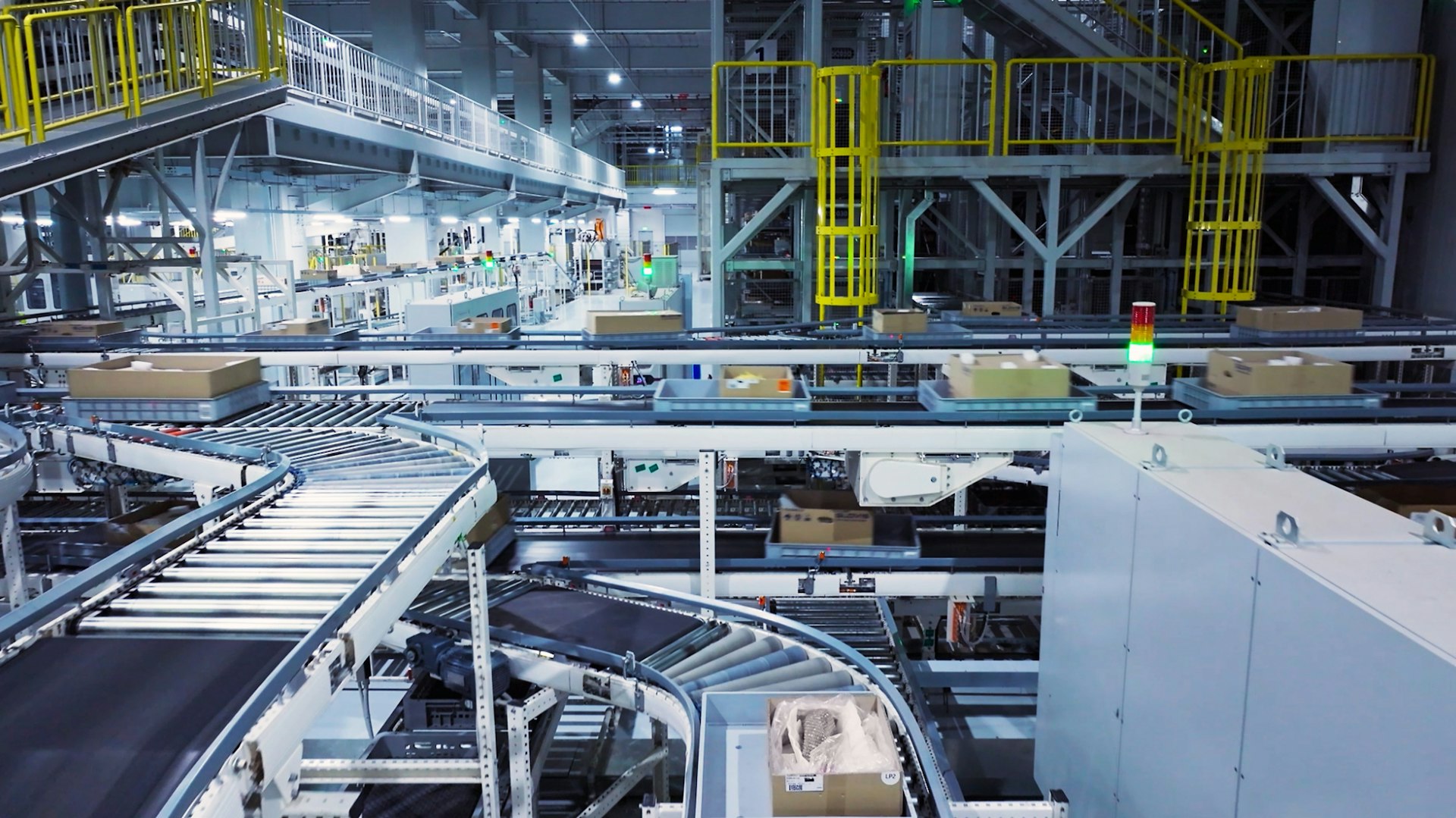
Picking was done by hand on paper labels. We moved the floor to scan-based picking and got the building ready for promotions and peak season. Peak days hit about 2× normal volume, then another 60–70% on top of that, and pick errors dropped from roughly 4–5% to about 0.03%.
-
26 full loads in 8 hours
Multi-site manufacturing warehouse
A demand spike stretched a plant, an overflow site, and two third-party warehouses. We lined shifts up with production and tightened carrier and paperwork discipline. The team shipped 26 full loads in 8 hours with about 30 million units on hand.
Inventory accuracy
Counts reopen and bin locations disagree.
-
~65–70% → ~98% accuracy
Retail pharmacy
Inventory accuracy was sitting around 65–70%. A system workaround was putting “missing” items back into stock, and unscanned fills were leaking insurance dollars. We removed the workaround, trained the team on what each transaction actually does, and tied every discrepancy to dollars. About a year later a full count came in near 98%.
-
OTIF ~60% → ~99%
Finished-goods warehouse
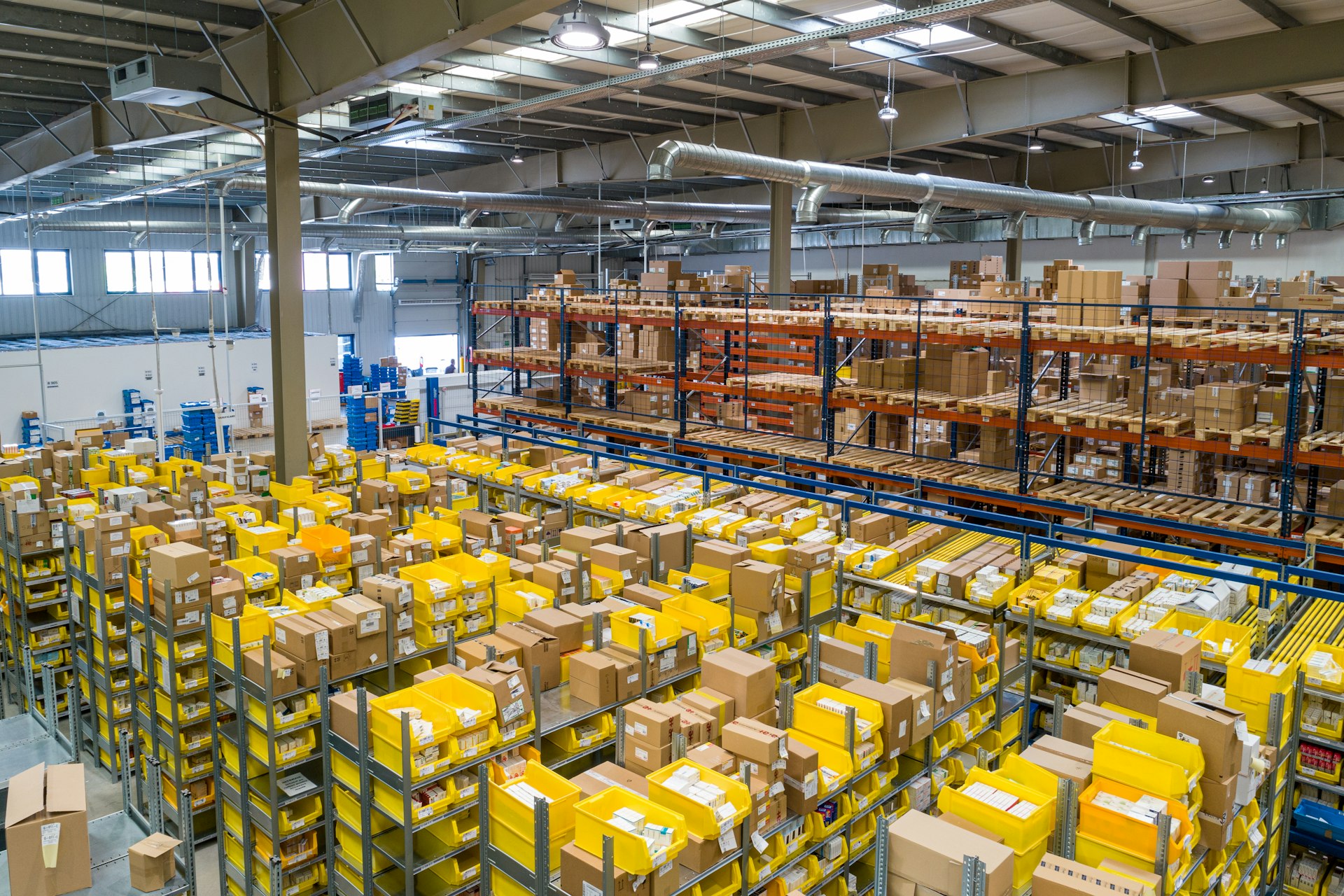
Dead stock filled the racks while live product was stacked in the aisles, and too many orders were going out late or short. We cleared scrap and dead stock, reset the flow, and traced the “missing” boxes back to labeling at production, not the warehouse. About 60% of the space reopened, and on-time, in-full (OTIF) shipping went from about 60% to about 99%.
Process and SOP clarity
Work gets stuck between people, teams, or systems.
-
ERP, BOMs and a bottling line, built from scratch
Specialty liquid manufacturer
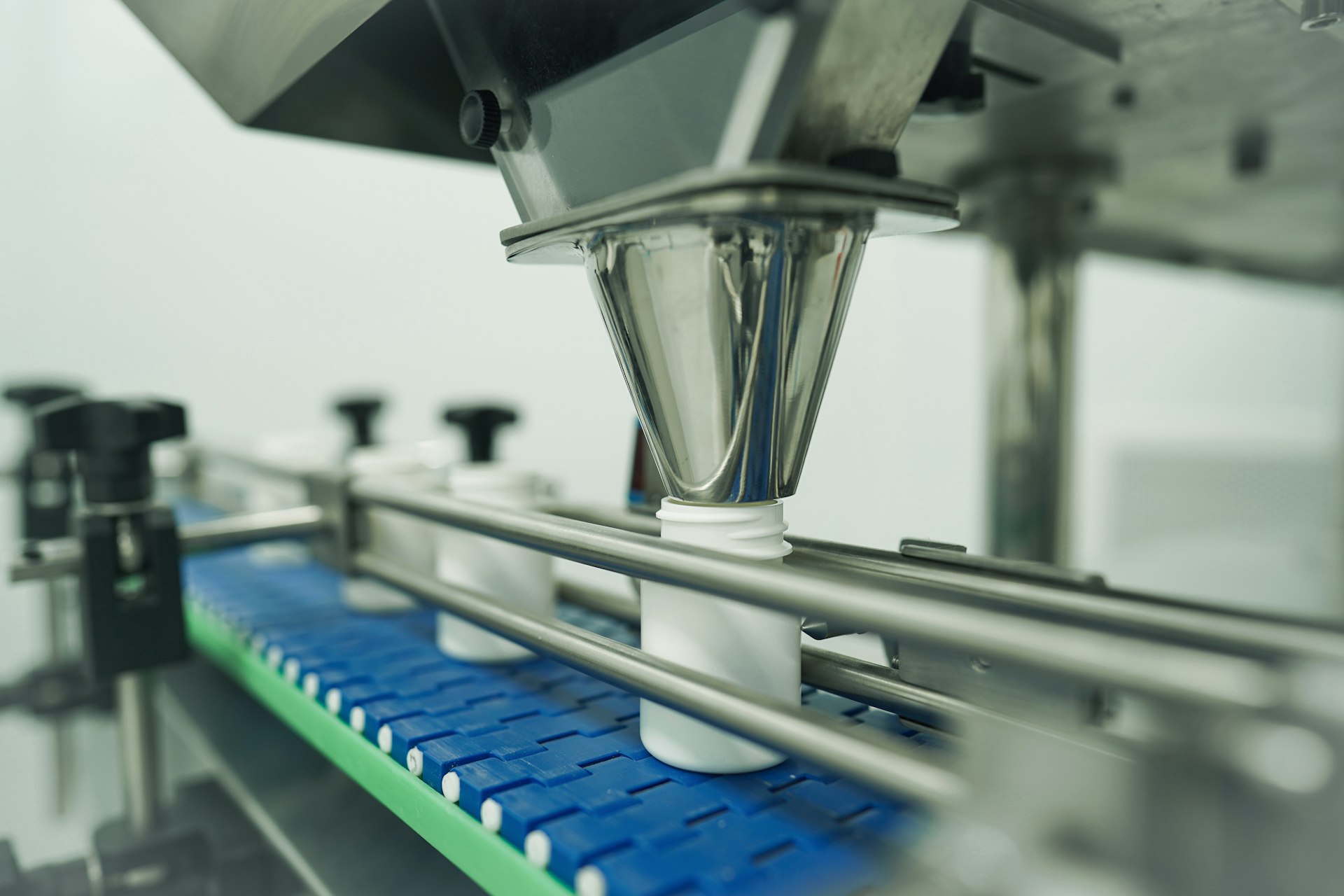
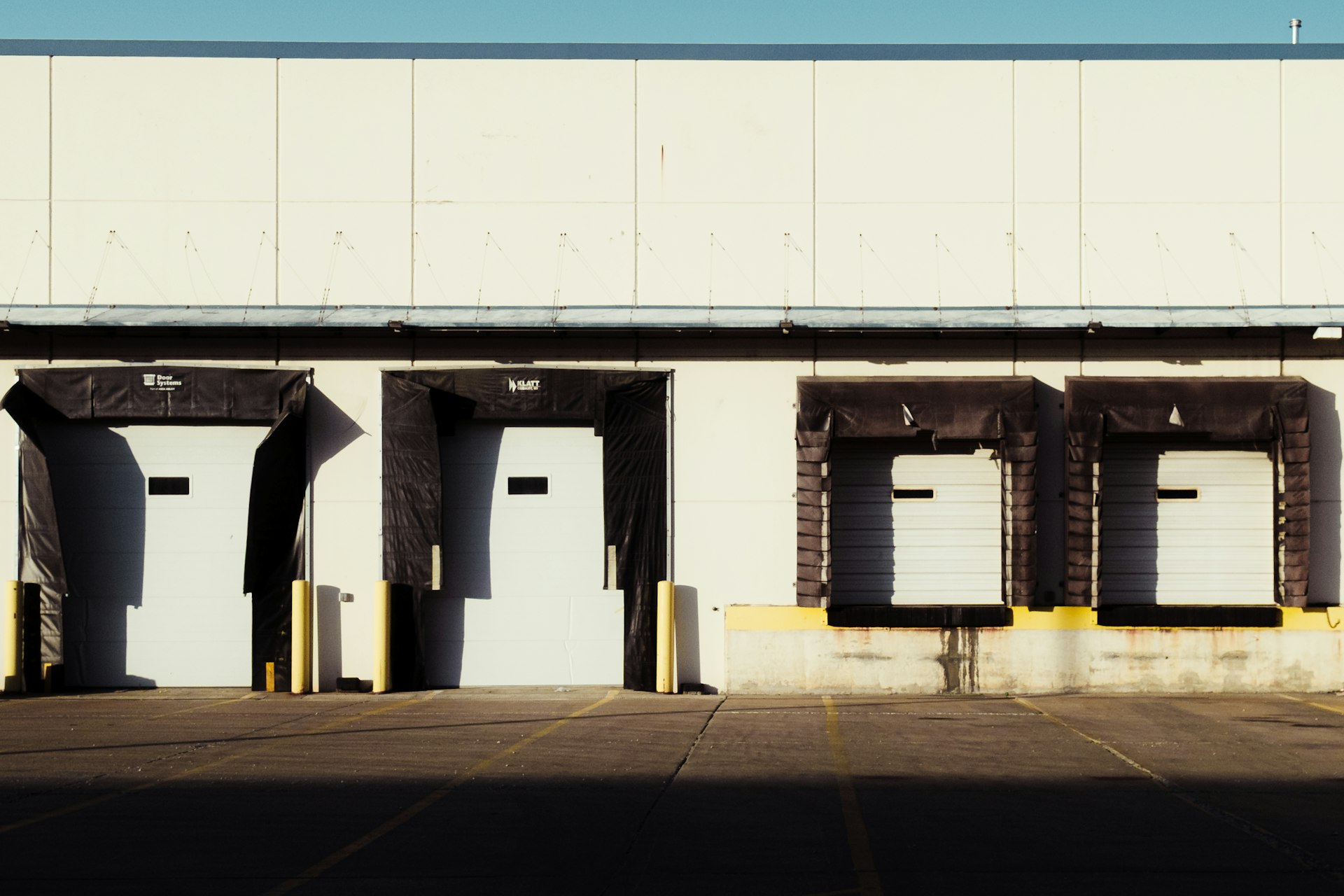
A manual plant growing faster than its processes. Over about five years we built the missing pieces: written procedures, bills of materials, an ERP, a bottling line, and a staffing plan that used temps. Dock-side loading was planned around the big wholesale customers. Production moved from manual work to a planned, documented process.
What makes the change stick.
Team coaching: the fix only lasts if the team gets it.
In the retail pharmacy work above, the change that stuck was teaching staff what each transaction does to the count and to the books. We did the same on the e-commerce floor and in the mail-order rebuild. People follow a process they understand.
Systems and tools adoption: the test is whether the workaround goes away.
Scan-based picking, put-to-light, ERP and warehouse systems, pharmacy systems. We help teams choose, set up, and learn the tools, then check the old workaround is really gone. We make sure the system and the people doing the work agree.
How we think
Define. Measure. Then improve.
“You cannot lift the carpet and clean the dust if you refuse to acknowledge the dust exists.”
Repeatable beats clever.
A repeatable process is linear: finish a step, open the next. Branches are explicit if-then kickouts that notify the right people, not silent exceptions. If the process isn’t repeatable, the ERP, and any AI, is guessing.
Tell us what’s not working.
In 30 minutes, we’ll listen to what’s going on and tell you honestly whether we can help. If we can, we’ll follow up with a proposal.
Or call (604) 283-4699.